


Choosing between Pilates and yoga can feel overwhelming, particularly for beginners looking for an effective way to strengthen body and mind. Both bring plenty of benefits for physical health and mental wellbeing, but they have different origins, techniques and aims. In this article we cover the key characteristics of Pilates and yoga, their benefits, how they differ, and how to work out which suits you better. Read on.
What is Pilates?
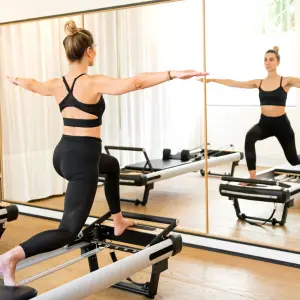
Pilates is an exercise method developed in the early 20th century by Joseph Pilates. The focus is on strengthening the core muscles: the abdominals, lower back, hips and glutes. Pilates exercises are often performed on a yoga or exercise mat, or using specialist Pilates equipment such as the Reformer, Cadillac and Wunda Chair. The exercises are designed to improve stability, flexibility, coordination and strength.
The benefits of Pilates
-
Core strength
Pilates focuses heavily on strengthening the core muscles, which helps improve your overall posture and prevent back problems. -
Flexibility
Practising Pilates regularly can improve your flexibility and mobility, which matters for preventing injury. -
Posture
Pilates encourages better posture by strengthening the deep postural muscles essential to keeping your back straight. -
Body awareness
Through its focus on controlled movement and breathing, Pilates helps you develop a better awareness of your body.

What is yoga?
Yoga is an ancient practice originating in India and thousands of years old. It covers a wide range of physical, mental and spiritual disciplines. Modern yoga in the West focuses mainly on physical postures (asanas), breathing techniques (pranayama) and meditation. There are various styles, including Hatha, Vinyasa, Ashtanga, Iyengar and Bikram, each with its own emphasis and benefits.
The benefits of yoga
-
Reducing stress
Yoga is known for its calming effect on the mind. Through breathing and meditation, it helps reduce stress and anxiety. -
Flexibility and strength
Yoga builds flexibility, strength and balance through a combination of static and dynamic postures on a yoga mat. -
Mental focus
Yoga improves concentration and mental clarity by integrating breathing, meditation and physical postures. -
Overall wellbeing
Yoga offers holistic benefits by looking after body and mind together, which can contribute to better overall health and wellbeing.
The difference between Pilates and yoga
Pilates and yoga have some things in common, including improving flexibility and strength, but there are clear differences between them.
-
Origins and aims
Pilates was developed in the early 20th century by Joseph Pilates and focuses strongly on physical exercise to improve core strength and posture. It has fewer spiritual or philosophical elements than yoga. Yoga has its roots in ancient India and is more than 5,000 years old. It's a holistic practice covering physical and spiritual elements alike, aiming at unity of body, mind and spirit. -
Exercises and techniques
Pilates focuses mainly on the core muscles and often uses equipment to provide resistance and strengthen them. The exercises are usually low-impact and concentrate on controlled movement and breathing techniques that improve stability and coordination. Yoga covers a wide range of postures, both static and dynamic, alongside breathing exercises and meditation. Yoga aims at balance and harmony throughout the body and mind, and the postures range from gentle to intense depending on the style. -
Equipment and props
Pilates often uses specialist equipment such as a Reformer and an exercise ball, which can make the exercises more varied and more demanding. Mat Pilates exists too, but the equipment offers a distinctive way to provide resistance and strengthen the muscles. Yoga generally requires little or no equipment beyond a mat. Props such as blocks, straps and bolsters can be used to support postures and make them more accessible, but they aren't essential.
How to work out which discipline suits you
Choosing between Pilates and yoga depends on your personal goals, preferences and physical condition. Here are some questions and considerations to help you decide:
-
What are your fitness goals?
If you're focused on improving your core strength, posture and muscular endurance, Pilates is probably the better choice. Its emphasis on core stability and controlled movement can help you build a strong foundation. If you're after a holistic approach offering physical and mental benefits alike, yoga may suit you better. Yoga doesn't just improve strength and flexibility – it helps with stress reduction and mental clarity too. -
Do you have specific health needs?
If you have back problems or you're recovering from injury, Pilates can help through its emphasis on core strength and body alignment. If you're looking for a way to reduce stress and anxiety, yoga offers techniques such as breathing exercises and meditation that can benefit your mental wellbeing. -
What are your personal preferences?
If you enjoy structured, controlled exercises with clear guidance, Pilates will probably suit you. The method is precise and focused on technique and form. If you like variety and the chance to grow physically and spiritually, yoga may appeal more. The different styles and approaches within yoga offer plenty of flexibility to adapt your practice to your needs and your mood.
Conclusion
Pilates and yoga both bring distinctive benefits for body and mind. By understanding what each involves and how they differ, you can make an informed choice that fits your fitness goals, health needs and personal preferences. The best way to work out which suits you is to try both. Plenty of gyms and studios offer classes in Pilates and yoga, which gives you the chance to experience what each has to offer and see which appeals to you more. Whether you choose the core-strengthening work of Pilates or the holistic approach of yoga, both practices can help you develop a stronger, more flexible, healthier body.


